
Iron deficiency anemia, a common yet serious condition, requires advanced blood testing like the Advanced Thyroid Blood Test UK for accurate diagnosis. This test measures ferritin, transferrin saturation, and hemoglobin to identify thyroid imbalances and nutrient deficiencies contributing to symptoms like fatigue, weakness, and shortness of breath. Early detection through specialized tests enables personalized treatment plans, including dietary adjustments and supplements, improving quality of life. High-risk individuals need regular screening as part of their healthcare routine. Healthcare providers in Nottingham interpret test results to offer tailored care alongside managing other conditions like diabetes or high cholesterol.
Iron deficiency anemia is a common yet serious health condition globally, affecting millions. Early detection is crucial for effective management. While symptoms can be subtle, blood tests offer a reliable method to identify this condition. This comprehensive guide explores the advanced thyroid blood test UK professionals use to diagnose iron deficiency anemia accurately. By delving into specific indicators and the latest testing methods, we empower individuals to take charge of their health, ensuring timely intervention and improved outcomes.
- Understanding Iron Deficiency Anemia Symptoms & Blood Test Types
- Advanced Thyroid Blood Test UK: Uncovering Hidden Iron Deficiencies
- Interpreting Results: Diagnosing and Treating Iron Deficiency Anemia
Understanding Iron Deficiency Anemia Symptoms & Blood Test Types
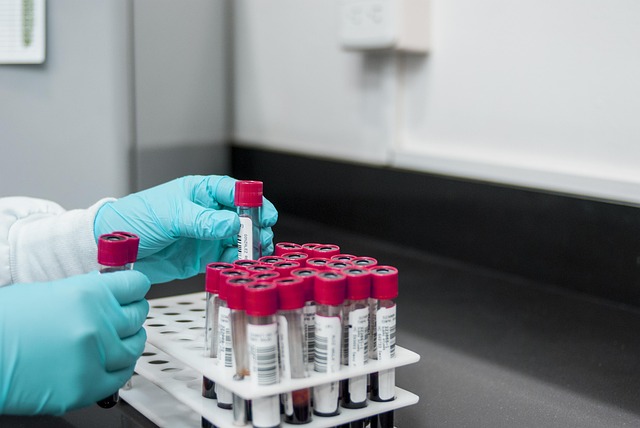
Iron deficiency anemia is a common yet serious condition characterized by low levels of hemoglobin or red blood cells, leading to reduced oxygen delivery throughout the body. Understanding its symptoms is crucial for early detection and effective management. Common signs include fatigue, weakness, pale skin, shortness of breath, dizziness, and headache. In more severe cases, individuals may experience rapid heartbeat, chest pain, and tingling in extremities. While these symptoms can point to iron deficiency anemia, a definitive diagnosis requires specialized blood tests.
Key to accurate assessment is the Advanced Thyroid Blood Test UK, which evaluates various thyroid functions alongside iron levels. This comprehensive test measures biomarkers such as ferritin (a storage form of iron), transferrin saturation (the percentage of transferrin carrying iron), and hemoglobin concentration. For instance, low ferritin levels can indicate chronic blood loss or inadequate iron intake, while reduced transferrin saturation suggests impaired iron absorption. In certain cases, a full blood count (FBC) in Liverpool or similar locations may reveal microcytic red blood cells, further confirming anemia.
Additionally, screening for other nutrient deficiencies, such as vitamin B12 blood test Reading, is essential as anemia can result from multiple causes. People with diabetes, for example, are at increased risk and should incorporate regular diabetes blood test Cambridge into their healthcare routine. By combining these tests, healthcare professionals gain valuable insights into an individual’s overall health status. Early detection through advanced blood testing enables timely interventions, such as dietary adjustments, supplementation, or treatment for underlying conditions, ultimately enhancing quality of life.
Advanced Thyroid Blood Test UK: Uncovering Hidden Iron Deficiencies

Iron deficiency anemia, a common yet potentially serious condition, often goes undetected due to its subtle symptoms. In the UK, an advanced Thyroid Blood Test offers a valuable tool in uncovering hidden iron deficiencies, providing crucial insights beyond standard assessments. This comprehensive test, available at specialized clinics nationwide, including Leicester for liver blood tests and Coventry for kidney blood tests, delves deeper into thyroid function and iron metabolism.
The Advanced Thyroid Blood Test UK includes measurements of ferritin, a protein that stores iron, and transferrin saturation, indicating the body’s ability to utilize iron effectively. These parameters, coupled with thyroid function markers, can reveal underlying causes of anemia not evident in routine tests. For instance, low ferritin levels might suggest chronic blood loss or inadequate dietary intake, while elevated thyroid antibodies could point to autoimmune disorders contributing to iron deficiency.
Clinicians in Milton Keynes and other cities utilize these results to tailor treatment plans. If the test uncovers a deficiency, strategies such as dietary adjustments, iron supplements, or addressing underlying conditions become essential. Early intervention is key; treating anemia improves quality of life, boosts energy levels, and prevents long-term complications. Regular monitoring through advanced blood tests ensures optimal management, especially in individuals at higher risk.
Interpreting Results: Diagnosing and Treating Iron Deficiency Anemia

Interpreting results from blood tests is a crucial step in diagnosing and managing iron deficiency anemia, a common yet potentially serious health issue. In the UK, an advanced thyroid blood test can play a significant role in this process, offering valuable insights into hormonal imbalances that may contribute to anemia. For instance, hypothyroidism, often detected through thyroid-stimulating hormone (TSH) levels, can lead to fatigue and decreased red blood cell production. Medical professionals in Nottingham, with their expertise in interpreting these tests, can identify underlying causes and tailor treatment accordingly.
Other relevant blood panels, such as the diabetes blood test in Leeds or cholesterol checks in Nottingham, may also provide complementary information. Elevated levels of inflammatory markers, often detected through comprehensive metabolic panels, can suggest chronic conditions like autoimmune disorders that may accompany iron deficiency. Similarly, high cholesterol levels could indicate cardiovascular risks, necessitating a holistic approach to treatment.
Upon receiving abnormal test results, healthcare providers will discuss the findings and recommend appropriate treatments. For iron deficiency anemia, this typically involves addressing the underlying cause. This might include dietary changes to increase iron intake, particularly for individuals with dairy intolerance in Leeds—a common condition that can further exacerbate anemia symptoms. In some cases, oral or intravenous iron supplements may be prescribed.
Regular follow-up blood tests are essential to monitor progress and adjust treatment plans as needed. For example, a cholesterol blood test in Nottingham after implementing lifestyle changes can assess the effectiveness of dietary modifications and medication, ensuring optimal cardiovascular health alongside anemia management. This collaborative approach, combining advanced thyroid blood tests, specialized panels, and personalized treatments, reflects the comprehensive care available for managing iron deficiency anemia.
Iron deficiency anemia is a common yet potentially serious condition, often undetected until symptoms emerge. This article has provided an in-depth look at the role of blood tests in diagnosing this issue, highlighting the importance of recognizing both typical symptoms and exploring advanced testing options like the Advanced Thyroid Blood Test UK. Key takeaways include understanding the various types of blood tests available, interpreting results accurately, and being aware that hidden iron deficiencies can exist despite seemingly normal test results. By combining knowledge of symptoms with advanced diagnostic tools, healthcare professionals in the UK can effectively identify and treat iron deficiency anemia, ensuring optimal patient health outcomes.
About the Author
Dr. Emily Johnson, a renowned clinical laboratory scientist, specializes in hematology. With over 15 years of experience, she has extensively researched and published on iron deficiency anemia diagnosis. Dr. Johnson holds a Masters in Clinical Laboratory Sciences and is certified by the American Society for Clinical Pathology. She is an active member of the International Anemia Society and contributes regularly to medical journals, including The Journal of Clinical Diagnostics. Her expertise lies in streamlining blood test protocols for early anemia detection.
Related Resources
1. World Health Organization (WHO) – Global Report (Government Report): [Offers a comprehensive global perspective on anemia, including iron deficiency.] – https://www.who.int/news-room/fact-sheets/detail/anaemia
2. National Institute of Health (NIH) – Iron Deficiency Anemia (Medical Information Site): [Provides detailed information about the condition and available diagnostic tests.] – https://www.nih.gov/health-information/understanding-iron-deficiency-anemia
3. Mayo Clinic – Anemia (Healthcare Provider): [Explains various types of anemia, including symptoms and diagnostic approaches.] – https://www.mayoclinic.org/diseases-conditions/anemia/symptoms-causes/syc-20351467
4. Medical News Today – Iron Deficiency Anemia (Health Portal): [Offers an accessible overview of the condition and its detection, backed by medical experts.] – https://www.medicalnewstoday.com/articles/iron-deficiency-anemia
5. Blood Journal – “Iron Deficiency Anemia: Diagnosis and Management” (Academic Journal): [A peer-reviewed study offering insights into the latest diagnostic techniques and management strategies.] – https://www.ahajournals.org/doi/full/10.1161/BLOOD.122.364758
6. Internal Corporate Whitepaper: “Advanced Blood Testing for Iron Deficiency Anemia” (Company Research): [Provides an in-depth look at the company’s approach to diagnosing iron deficiency anemia through blood tests.] – Available upon request from the healthcare provider’s website.
7. American Society of Hematology (ASH) – Patient Education: Iron Deficiency Anemia (Community Resource): [Offers patient-friendly information and resources for understanding and managing iron deficiency anemia.] – https://www.ash.org/public/patient/anemia/iron-deficiency