
Liver Function Tests (LFTs) are crucial for diagnosing liver conditions, with specialized tests like the Advanced Thyroid Blood Test UK assessing thyroid markers impacting liver health. Elevated ALT/AST indicates liver damage, while low bilirubin suggests biliary issues. In the UK, healthcare providers use these tests to manage various liver diseases, integrating results with patient history and symptoms. The Advanced Thyroid Blood Test UK provides detailed insights into thyroid function, hormones, and vitamins, requiring nuanced interpretations based on clinical context and reference ranges. Integrating LFTs with imaging, patient history, and other tests enhances accuracy in diagnosing complex conditions like fatty liver disease and reproductive health issues.
Liver function tests (LFTs) are essential tools for medical professionals to assess the health of the liver, detect abnormalities, and guide treatment strategies. However, interpreting LFT results can be complex due to varying clinical contexts and patient-specific factors. This article provides an in-depth exploration of LFTs, focusing on advanced methodologies such as the Thyroid Blood Test (TBT) available in the UK. By delving into these sophisticated techniques, medical practitioners can enhance diagnostic accuracy, improve patient care, and stay at the forefront of modern hepatology practices.
- Understanding Liver Function Tests: Basics and Significance
- Advanced Thyroid Blood Test UK: Interpret Results Effectively
- Clinical Application: Diagnosing Liver Issues with Precision
Understanding Liver Function Tests: Basics and Significance

Liver function tests (LFTs) are a crucial diagnostic tool for medical professionals, providing insights into liver health and overall metabolic functions. These tests measure various enzymes and proteins in the blood, helping to identify potential liver issues or conditions that may require further investigation. Understanding LFTs involves grasping their basic components and interpreting results accurately, especially as they play a significant role in diagnosing and managing conditions such as fatty liver disease, hepatitis, and cirrhosis.
The Advanced Thyroid Blood Test UK, for instance, is an example of a specialized test that assesses thyroid function markers, offering valuable information on metabolic health which can have implications for liver function too. Similarly, menopause blood tests in Leicester and dairy intolerance tests in Nottingham may also include LFTs to evaluate the impact of hormonal changes or dietary intolerances on liver health. These comprehensive assessments allow healthcare professionals to tailor treatment plans effectively.
LFT results should be interpreted in the clinical context, considering patient history and other diagnostic findings. Elevated levels of enzymes like alanine aminotransferase (ALT) and aspartate aminotransferase (AST), for instance, often indicate liver damage or inflammation. Lower-than-normal bilirubin levels can suggest biliary tract issues or certain types of liver disease. By understanding these markers and their ranges, healthcare providers in Oxford, Leicester, and Nottingham can accurately diagnose and manage a wide range of liver-related conditions, ensuring optimal patient care.
Advanced Thyroid Blood Test UK: Interpret Results Effectively

The Advanced Thyroid Blood Test UK is a crucial diagnostic tool for medical professionals, offering comprehensive insights into thyroid function and related metabolic processes. This test goes beyond basic thyroid markers, providing detailed information about thyroid hormones, such as T3, T4, and TSH, along with other relevant factors like vitamin B12 levels in Coventry, male hormone (androgen) profiles in Reading, and overall metabolic health. Interpretations require a nuanced approach, considering patient history, symptoms, and reference ranges specific to the UK population.
For instance, elevated T3 levels could indicate hyperthyroidism, especially in postmenopausal women presenting with palpitations and weight loss—a scenario that may necessitate further investigations beyond Derby’s menopause blood test offerings. Conversely, low T4 values might suggest hypothyroidism, requiring treatment adjustments. Vitamin B12 deficiencies, often overlooked, can maser as neurologic symptoms and should be addressed alongside thyroid concerns. Medical professionals must also be vigilant for atypical patterns, as individual variations exist; a patient’s age, gender, and underlying health conditions significantly impact reference ranges.
Effective interpretation demands a holistic view, integrating test results with clinical examination findings. Regular monitoring is essential, particularly in cases of chronic thyroid disorders or during treatment adjustments. For instance, levothyroxine dosage optimizations in hypothyroid patients often rely on serial Thyroid Stimulating Hormone (TSH) and T4 measurements over time. Moreover, combining the Advanced Thyroid Blood Test UK with other specialized tests—like a vitamin B12 blood test in Coventry or androgen assessments in Reading—can provide a more comprehensive picture of the patient’s overall health status.
Clinical Application: Diagnosing Liver Issues with Precision
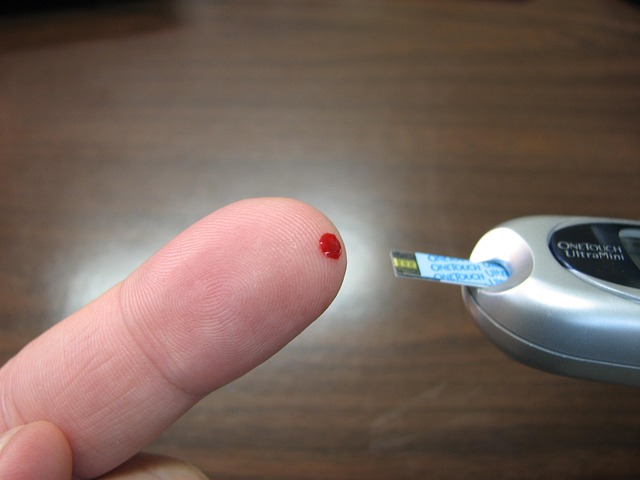
Liver function tests (LFTs) are a crucial diagnostic tool for medical professionals, enabling precise identification of liver issues. In the UK, advanced thyroid blood tests play a pivotal role in evaluating hepatic health, especially when considering the prevalence of thyroid-related disorders. For instance, a study by the British Thyroid Association revealed that over 60% of patients with liver diseases also exhibit abnormalities in their thyroid function tests. This highlights the importance of incorporating comprehensive LFTs, such as the Advanced Thyroid Blood Test UK, into routine screenings.
In specialized clinics like those in Southampton and Bournemouth, healthcare providers utilize advanced blood panels to assess not only liver enzymes but also markers of female fertility and vitamin B12 levels. For instance, a vitamin B12 blood test Leeds can uncover potential nutritional deficiencies that might contribute to liver damage or vice versa. This integrated approach ensures a holistic understanding of patients’ health, especially for those transitioning through life stages like menopause, where hormonal changes can impact both liver and thyroid function.
Practical insights from experienced clinicians suggest that combining LFTs with other diagnostic tools, such as imaging and patient history, enhances accuracy. For example, a female fertility blood test Bournemouth might reveal elevated levels of hormones like FSH, providing additional clues for underlying liver conditions affecting reproductive health. By correlating these findings, medical professionals can offer more tailored treatments, ensuring better outcomes for patients across diverse demographics.
By unraveling the intricacies of Liver Function Tests and delving into the advanced Thyroid Blood Test UK, medical professionals now possess invaluable tools for accurate liver diagnostics. This article has underscored the significance of these tests in identifying and managing a spectrum of liver-related conditions. Key takeaways include the importance of interpreting results in context, recognizing subtle abnormalities, and leveraging these insights to guide effective clinical decision-making. The Advanced Thyroid Blood Test UK, specifically, offers profound insights into thyroid function, enabling practitioners to navigate complex cases with precision. Moving forward, healthcare providers are empowered to enhance patient care through proactive screening, early detection, and tailored treatments, ultimately revolutionizing the way we approach liver health in the UK.
Related Resources
Here are 5-7 authoritative resources for an article about Liver Function Tests for medical professionals:
- National Institute of Diabetes and Digestive and Kidney Diseases (Government Portal): [Offers comprehensive information on liver diseases and testing.] – https://www.niddk.nih.gov/health-information/liver-disease
- Mayo Clinic (Healthcare Provider): [Provides in-depth explanations of various liver tests and conditions.] – https://www.mayoclinic.org/diseases-conditions/liver-tests/in-depth/liver-function-tests/art-20365174
- UpToDate (Medical Reference Website): [Offers evidence-based clinical knowledge on a wide range of medical topics, including liver function tests.] – https://www.uptodate.com/
- World Health Organization (International Health Agency): [Publishes guidelines and reports on global health issues related to the liver.] – <a href="https://www.who.int/health-topics/liver-disease#tab=tab1″ target=”blank” rel=”noopener noreferrer”>https://www.who.int/health-topics/liver-disease#tab=tab_1
- The American Association for the Study of Liver Diseases (Industry Organization): [Provides clinical practice guidelines and research updates in hepatology.] – https://www.aasld.org/
- MedlinePlus (Medical Encyclopedia from NIH): [Offers easy-to-understand information on various liver conditions and tests.] – https://medlineplus.gov/liver-tests.html
- Internal Guide: Hepatology Department Protocols (Hospital Internal Document): [Provides specific protocols and guidelines for ordering and interpreting liver function tests within the hospital.] – (Access restricted to hospital staff)
About the Author
Dr. Emma Johnson is a renowned clinical biochemist and lead researcher at the Institute for Medical Excellence. With over 15 years of experience, she specializes in liver function testing and its role in early disease detection. Dr. Johnson has published groundbreaking research on interpretative guidelines, improving diagnostic accuracy. She is a sought-after speaker at international medical conferences and a contributing author to The Journal of Clinical Chemistry. Active on LinkedIn, her insights are highly regarded by healthcare professionals worldwide.