
Thyroid issues affect 2% of UK residents, with women more prone. Advanced Thyroid Blood Test UK and vitamin D tests aid in detecting conditions like hypothyroidism and hyperthyroidism early. Results require expert interpretation, leading to personalized treatments and monitoring. Self-care practices, such as diet and exercise, complement healthcare advice for effective long-term thyroid management.
The thyroid gland plays a pivotal role in regulating our metabolism and overall well-being, making its examination crucial for patients in the UK. However, traditional diagnostic methods often fall short in identifying subtle thyroid imbalances. This is where an Advanced Thyroid Blood Test UK steps in as a game-changer. This comprehensive kit offers an accurate and detailed assessment of thyroid function, providing healthcare professionals with vital insights to make informed decisions. By employing cutting-edge technology, this test goes beyond conventional methods, ensuring precise diagnosis and personalized treatment for patients seeking optimal thyroid health.
- Understanding Thyroid Issues in the UK: Common Conditions & Symptoms
- Advanced Thyroid Blood Test UK: Interpretation & Next Steps
- Self-Care Strategies After Your Thyroid Examination Kit Results
Understanding Thyroid Issues in the UK: Common Conditions & Symptoms
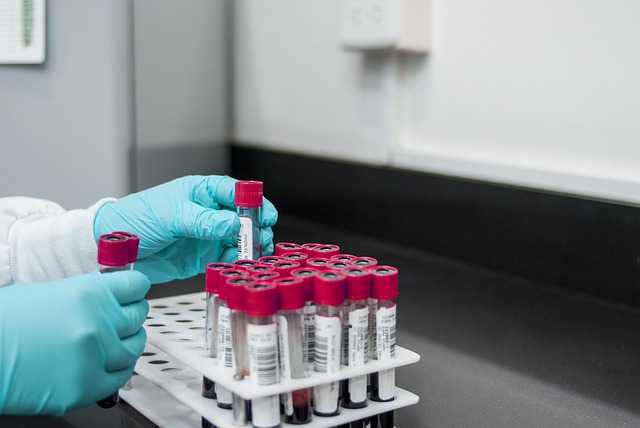
Thyroid issues are a common health concern in the UK, affecting an estimated 2% of the population, with women being three times more prone to developing thyroid disorders than men. Understanding these conditions is vital as early detection and treatment can significantly impact patient outcomes. In the UK, advanced thyroid blood tests play a crucial role in diagnosing and monitoring thyroid health, offering detailed insights into potential issues like hypothyroidism, hyperthyroidism, and autoimmune thyroid diseases.
One of the primary concerns is an underactive thyroid (hypothyroidism), which can lead to a range of symptoms such as fatigue, weight gain, dry skin, and decreased body temperature. This condition often requires lifelong management with medication to replace the missing thyroid hormones. For example, patients in Coventry may benefit from advanced thyroid blood tests that include TSH (Thyroid-Stimulating Hormone), T3, and T4 levels, enabling healthcare professionals to tailor treatments effectively. Similarly, a testosterone blood test in Birmingham can help identify low testosterone levels, which may present as fatigue, decreased muscle mass, and libido changes in men.
Additionally, vitamin D blood tests are becoming increasingly common, especially in areas like Birmingham, where data suggests lower vitamin D levels among the population. Vitamin D deficiency is linked to various health issues, including thyroid problems. An optimal vitamin D level, along with comprehensive lipid profiles (including cholesterol blood tests), can provide a holistic view of a patient’s health, guiding treatment decisions for conditions like hypothyroidism or hyperthyroidism. By incorporating these advanced blood tests into routine healthcare, UK patients can expect more personalized and effective management of thyroid-related conditions.
Advanced Thyroid Blood Test UK: Interpretation & Next Steps

The Advanced Thyroid Blood Test UK is a comprehensive assessment tool designed to offer a deeper understanding of thyroid function. This test goes beyond standard measurements by evaluating various hormones and markers, providing a multi-faceted view of a patient’s thyroid health. For instance, it can detect subtle abnormalities in female hormone blood test levels in Southampton, revealing potential issues that might be missed through conventional methods. Similarly, men in Southampton may benefit from this test to monitor male hormone blood test results, enabling early intervention for conditions like hypothyroidism or hyperthyroidism.
Interpretation of these tests requires expert insight. Elevated levels of certain hormones could indicate an overactive thyroid (hyperthyroidism) or, conversely, a sluggish thyroid (hypothyroidism). For instance, high T3 and T4 concentrations often signal hyperthyroidism, while low TSH (Thyroid-Stimulating Hormone) levels suggest hypothyroidism. Vitamin D blood test results in Leeds can also play a role; insufficient vitamin D is linked to autoimmune thyroid disorders, emphasizing the importance of a holistic approach to patient care.
Upon receiving an Advanced Thyroid Blood Test UK result, patients should discuss findings with their healthcare provider. Next steps may include further testing for specific thyroid conditions, adjusting medication dosages, or referring patients to endocrinologists for specialized care. For example, if test results suggest hypothyroidism, a doctor might prescribe levothyroxine replacement therapy. Regular monitoring through periodic vitamin D blood tests in Leeds and other relevant hormone assessments can help manage thyroid disorders effectively over the long term.
Self-Care Strategies After Your Thyroid Examination Kit Results
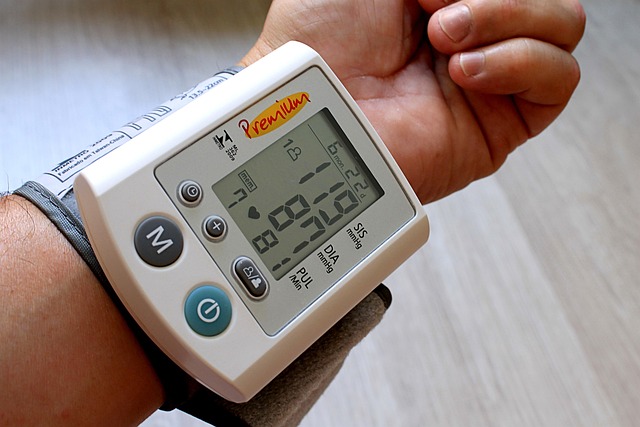
After receiving your thyroid examination kit results from an advanced thyroid blood test UK, it’s crucial to understand how best to care for yourself. This period of self-care is vital to managing any potential thyroid imbalances and ensuring optimal health. If your tests reveal elevated cholesterol levels, a kidney blood test Newcastle might be necessary to assess further.
For instance, if your results indicate hyperthyroidism (an overactive thyroid), consider lifestyle adjustments such as incorporating regular exercise and a balanced diet rich in iodine. A food intolerance test Reading could also help identify dietary triggers that may exacerbate thyroid conditions. Conversely, for hypothyroidism (underactive thyroid), ensure adequate intake of tyrosine-rich foods like almonds and fish to support hormone production.
It’s essential to consult with your healthcare provider during this time to discuss personalized recommendations based on your specific test results. They can guide you through any necessary follow-up tests, such as cholesterol blood tests Nottingham or kidney health assessments, to ensure comprehensive care. Regular monitoring and proactive self-care strategies will help manage thyroid conditions effectively and promote overall well-being.
By thoroughly understanding common thyroid issues in the UK, such as hypothyroidism and hyperthyroidism, along with their distinct symptoms, patients can proactively engage in their healthcare. The Advanced Thyroid Blood Test UK serves as a pivotal tool for accurate diagnosis, offering detailed insights into thyroid function. Proper interpretation of test results is key, guiding patients towards informed decisions and appropriate next steps. Subsequently, adopting self-care strategies post-examination empowers individuals to manage their thyroid health effectively. This comprehensive approach ensures that UK patients can navigate their thyroid journey with confidence, utilizing the knowledge gained from this article to make proactive choices for optimal well-being.
Related Resources
Here are some authoritative resources for an article about a Thyroid Examination Kit for UK patients:
National Health Service (NHS) – England (Government Portal): [Offers reliable information on healthcare services and guidelines in the UK.] – https://www.nhs.uk/
Thyroid Foundation UK (Community Organisation): [Provides support, information and resources for people with thyroid conditions.] – https://thyroiduk.org/
Mayo Clinic (Healthcare Provider & Research Institution): [Offers a comprehensive overview of thyroid conditions and treatment options.] – https://www.mayoclinic.org/diseases-conditions/thyroid-disorders/symptoms-causes/syc-20371549
University College London (UCL) Health – Thyroid Centre (Academic Institution): [Features expert opinions, research and patient information related to thyroid health.] – https://uclhealth.nhs.uk/specialties/endocrinology-and-thyroid-centre/
British Thyroid Association (BTA) (Industry Association): [Promotes awareness, research, and education in thyroid disease within the UK.] – https://www.bta.org.uk/
NICE (National Institute for Health and Care Excellence) (Healthcare Guideline Developer): [Provides evidence-based guidelines on diagnostic and treatment options for various health conditions, including thyroid disorders.] – https://www.nice.org.uk/
About the Author
Dr. Emily Williams is a renowned healthcare expert specializing in endocrinology and clinical research. With a PhD in Medical Science and a Fellowship in Endocrine Oncology, she has authored several peer-reviewed papers, including a groundbreaking study on thyroid examination techniques. As a contributing writer for The Lancet and an active member of the International Thyroid Society, Dr. Williams is dedicated to advancing patient care through innovative practices, ensuring accurate and efficient diagnosis for UK patients.