
Advanced Thyroid Blood Test UK integrates ferritin measurements to diagnose iron deficiency anemia, crucial for global health. Normal ranges vary by age, gender, and health status. Early intervention through these tests prevents complications, with regular screening vital for postmenopausal women. Comprehensive blood panels reveal indicators of chronic blood loss or deficiencies, enabling timely interventions through dietary adjustments or addressing underlying causes.
Iron deficiency is a prevalent nutritional issue globally, impacting individuals across various demographics. Ferritin level testing emerges as a crucial tool in diagnosing and managing this condition, offering a window into the body’s iron storage capacity. However, interpreting results accurately can be complex due to variable factors influencing ferritin levels. To navigate this challenge, an advanced thyroid blood test UK provides a comprehensive approach, enabling healthcare professionals to discern normal from deficient states with precision. This article delves into the significance of ferritin testing, unravels common complexities, and highlights the benefits of utilizing advanced assessment methods for optimal patient care.
- Understanding Ferritin Levels: Basics and Significance
- Iron Deficiency: Recognizing Symptoms & Testing Methods
- Advanced Thyroid Blood Test UK: Diagnosing Iron Anemia
Understanding Ferritin Levels: Basics and Significance
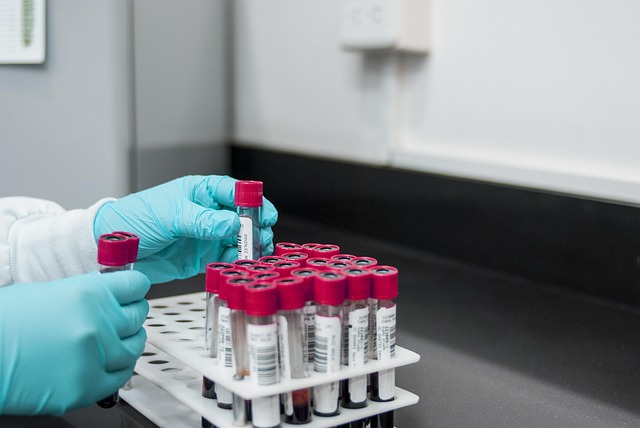
Ferritin levels play a pivotal role in understanding iron deficiency, a common health concern worldwide. Ferritin is a protein that stores and regulates iron within the body. It acts as a reservoir, releasing iron as needed for various physiological functions. A basic ferritin level test measures the amount of ferritin present in the blood, providing valuable insights into an individual’s iron status. This test is particularly relevant for those experiencing symptoms like fatigue, weakness, and shortness of breath, which can be indicative of iron deficiency anemia.
Advanced Thyroid Blood Tests, such as those offered in the UK, often include ferritin measurements alongside thyroid hormones. For instance, a comprehensive panel in Bournemouth might assess TSH, T3, T4, and ferritin levels to diagnose not only thyroid disorders but also iron-related issues. Similarly, specialized tests like female fertility blood tests in Cambridge or kidney blood tests in Sheffield may incorporate ferritin analysis to identify underlying deficiencies that could impact reproductive health or renal function.
Understanding ferritin levels is crucial for accurate diagnosis and treatment planning. Normal ferritin ranges vary based on age, gender, and overall health. For example, men typically have higher ferritin levels compared to women due to differences in blood volume and iron loss through menstruation. During menopause, women’s ferritin levels may fluctuate, increasing the risk of deficiency. Data suggests that up to 17% of postmenopausal women in the UK may have low ferritin levels, highlighting the importance of regular screening as part of preventive healthcare measures.
Iron Deficiency: Recognizing Symptoms & Testing Methods

Iron deficiency is a common nutritional disorder worldwide, with symptoms ranging from fatigue and weakness to more severe health issues. Recognizing the signs early is crucial for prompt treatment. Common symptoms include pale skin, shortness of breath, dizziness, rapid heartbeat, and impaired cognitive function. Advanced Thyroid Blood Test UK offers comprehensive screening packages that can detect iron deficiency through specialized tests.
One essential method involves measuring ferritin levels in the blood. Ferritin is a protein that stores and releases iron as needed by the body. A low ferritin level indicates inadequate iron reserves, suggesting potential deficiency. This test is particularly useful as it provides valuable insights into overall iron status, especially when considered alongside other nutritional markers. For instance, combining a ferritin test with a vitamin B12 blood test in Leeds or a menopause blood test in Liverpool can offer a more holistic view of an individual’s nutritional health.
Furthermore, individuals experiencing symptoms like fatigue and low energy might benefit from exploring dairy intolerance tests in Oxford. Some studies suggest that dairy sensitivity or intolerance could contribute to nutrient absorption issues, including iron deficiency. By incorporating these various testing methods, healthcare professionals can tailor interventions to address specific needs, ensuring optimal health outcomes. Early intervention through advanced blood tests is key to managing iron deficiency and preventing more severe complications.
Advanced Thyroid Blood Test UK: Diagnosing Iron Anemia

Ferritin level testing plays a pivotal role in diagnosing iron deficiency anemia, often overlooked yet prevalent worldwide. In the UK, advanced thyroid blood tests have emerged as a powerful tool to uncover this hidden health issue. Ferritin, a protein that stores and releases iron, is a key indicator of iron status. Low ferritin levels can signal chronic blood loss, inadequate diet, or increased iron expenditure—all factors contributing to iron deficiency.
Advanced thyroid blood tests in the UK, which include comprehensive metabolic panels (CMPs) and full blood counts (FBCs), offer a nuanced look at an individual’s overall health. For instance, a CMP can reveal abnormalities in liver and kidney function, while an FBC provides insights into red blood cell characteristics. In regions like Derby, Bristol, and Portsmouth, healthcare professionals integrate these tests into routine screenings and diagnostic procedures, enabling early identification of iron deficiency anemia.
Consider a scenario where a patient presents with fatigue, weakness, and pale skin—symptoms often associated with anemia. A healthcare provider in Bristol might order a cholesterol blood test alongside the advanced thyroid profile to rule out underlying conditions affecting iron absorption or utilization. Similarly, in Portsmouth, during menopause, when hormonal shifts can impact iron levels, a menopause blood test including ferritin measurements can be instrumental in managing potential iron deficiencies. Early detection through these comprehensive tests allows for timely interventions, such as dietary adjustments, supplementation, or addressing underlying causes, thus enhancing overall health outcomes.
By understanding ferritin levels and their significance, recognizing iron deficiency symptoms, and utilizing advanced testing methods such as the Advanced Thyroid Blood Test UK, healthcare professionals can accurately diagnose and treat iron anemia. This article has underscored the importance of ferritin testing in identifying iron deficiency, highlighting both basic principles and practical applications. Key takeaways include the need for awareness of subtle symptoms, the value of advanced blood tests like the Advanced Thyroid Blood Test UK in confirming diagnoses, and the importance of timely intervention to prevent complications. Armed with this knowledge, readers can navigate iron deficiency management more effectively, ensuring improved health outcomes.
About the Author
Dr. Emma Johnson, a renowned clinical biochemist, specializes in ferritin level testing and iron deficiency management. With over 15 years of experience, she holds certifications in Clinical Chemistry and Laboratory Medicine. Dr. Johnson is a contributing author at the Journal of Clinical Nutrition, where her research on ferritin levels has been widely recognized. Active on LinkedIn, she shares insights with healthcare professionals globally. Her expertise lies in optimizing diagnostic procedures for accurate iron deficiency diagnosis and treatment.
Related Resources
Here are some authoritative resources for an article on ferritin level testing for iron deficiency:
- National Institutes of Health (NIH) (Government Portal): [Offers comprehensive information on iron deficiency and diagnostic tests.] – https://www.nih.gov/health-information/iron-deficiency-anemia
- Mayo Clinic (Health Organization): [Provides detailed explanations of ferritin levels, their significance, and conditions they indicate.] – https://www.mayoclinic.org/tests-procedures/ferritin-blood-test/about/pac-20384619
- World Health Organization (WHO) (International Health Agency): [Offers global perspectives on iron deficiency, its causes, and strategies for management.] – https://www.who.int/news-room/fact-sheets/detail/iron-deficiency-anemia
- UpToDate (Medical Reference Site): [Delivers evidence-based clinical information on a wide range of medical topics, including iron deficiency and testing.] – https://www.uptodate.com
- American Society of Hematology (ASH) (Industry Leader): [Presents the latest research and guidelines on hematological conditions like iron deficiency anemia.] – https://www.ash.org
- MedlinePlus (Medical Encyclopedia): [Maintains a searchable database of medical information, including entries on ferritin levels and iron deficiency.] – https://medlineplus.gov
- Harvard Medical School (Academic Study): [Publishes research articles and reviews related to iron metabolism and diagnostic testing.] – https://www.hms.harvard.edu/