
Liver function tests (LFTs) are essential for assessing liver health, with results ranging from normal to abnormal, each carrying significant clinical implications. Advanced Thyroid Blood Test UK is a vital tool for evaluating thyroid function and metabolic health, considering T3, T4, and TSH levels. Postmenopausal women often show elevated ALT and AST levels. Abnormal LFTs may indicate conditions like fatty liver disease or hepatitis. Interpretations require a nuanced approach, correlating test outcomes with patient history, symptoms, and other lab results to make accurate diagnoses. For persistent elevation, consider vitamin D blood tests Southampton, but clinical judgment remains paramount. Comprehensive approaches ensure tailored management of complex liver disorders.
Liver function tests (LFTs) are essential tools for medical professionals to assess liver health, diagnose abnormalities, and guide treatment strategies. However, interpreting LFT results can be complex, requiring a deep understanding of normal ranges, potential interfering factors, and disease-specific patterns. This article provides an in-depth exploration of LFTs, focusing on advanced techniques such as the Thyroid Blood Test (TBT) available through specialized centers like those offering Advanced Thyroid Blood Test UK services. By delving into these methodologies, medical practitioners can enhance their diagnostic accuracy and patient care outcomes.
- Understanding Liver Function Tests: Indications and Interpretations
- Advanced Thyroid Blood Test UK: Methodology and Normal Ranges
- Interpreting Results: When to Consider Further Investigation
Understanding Liver Function Tests: Indications and Interpretations

Liver function tests (LFTs) are a crucial diagnostic tool for medical professionals, offering insights into the health of this vital organ. These tests are indicated in various scenarios, from routine screenings to investigating specific symptoms or managing chronic conditions. Understanding LFTs involves deciphering results that can range from normal to abnormal, each interpretation carrying significant clinical implications.
For instance, an Advanced Thyroid Blood Test UK, often ordered during menopause, may reveal elevated liver enzymes, pointing towards potential thyroid-related issues or metabolic changes. Similarly, a full blood count (FBC) in Oxford could uncover anaemia or inflammation that warrants further investigation into liver health. Menopause blood tests in Cambridge and Derby also frequently include LFTs to assess the impact of hormonal changes on liver function. Data from clinical studies shows that elevated ALT and AST levels, common markers for liver damage, are more prevalent in postmenopausal women compared to their pre-menopausal counterparts.
Interpretation requires a nuanced approach, considering patient history, symptoms, and other laboratory results. Abnormal LFTs may indicate conditions like fatty liver disease, hepatitis, or even cancer. For example, a total bilirubin level above the reference range could suggest biliary tract obstruction or haemolysis. Medical professionals must be adept at correlating test outcomes with clinical presentations to make accurate diagnoses. Regular monitoring of LFTs is essential for managing chronic liver diseases, especially in patients with diabetes or obesity, as these conditions are associated with a higher risk of developing liver complications.
Advanced Thyroid Blood Test UK: Methodology and Normal Ranges
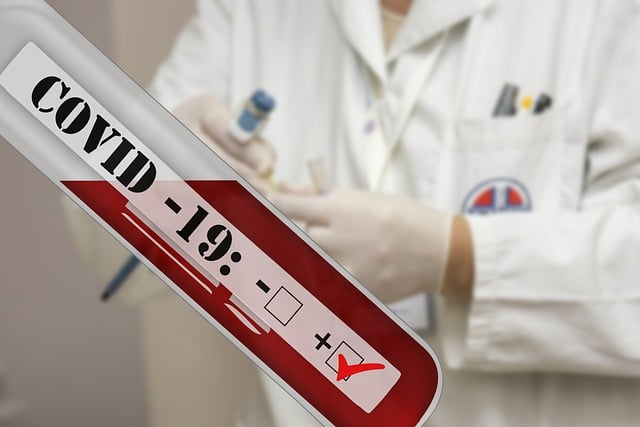
The Advanced Thyroid Blood Test UK is a crucial diagnostic tool for medical professionals evaluating thyroid function. This comprehensive test assesses various thyroid hormones, providing insights into metabolic health. In the UK, where conditions like hypothyroidism and hyperthyroidism are prevalent, this test offers a nuanced understanding of thyroid dynamics. The methodology involves analyzing serum samples for T3, T4, and TSH levels, each playing a vital role in diagnosing and managing thyroid disorders. For instance, elevated T3 or T4 may indicate hyperthyroidism, while low T4 and elevated TSH suggest hypothyroidism.
In the context of specialized healthcare services, cities like Bournemouth and Portsmouth offer advanced diagnostic capabilities. A food intolerance test Bournemouth can be beneficial for patients with suspected iodine deficiency, as iodine is essential for thyroid hormone synthesis. Similarly, menopause blood test Portsmouth provides an opportunity to screen for thyroid issues common during this phase. Southampton, known for its medical expertise, also facilitates liver blood tests, highlighting the comprehensive healthcare infrastructure available across these UK locations.
Understanding normal ranges is paramount. T3, T4, and TSH levels vary based on age and gender, with specific reference ranges established by leading healthcare institutions. Deviation from these norms prompts further investigation. For example, a TSH outside the typical range of 0.4-4.2 mU/L may indicate thyroid dysfunction. Medical professionals should interpret results within the context of patient history and clinical symptoms to ensure accurate diagnosis and personalized treatment plans.
Interpreting Results: When to Consider Further Investigation

When interpreting liver function test results from an Advanced Thyroid Blood Test UK (or similar comprehensive assessment), medical professionals must exercise keen observation and consider the broader clinical context. Elevated levels of certain enzymes like ALT and AST, for instance, could point to hepatic inflammation or damage, prompting further investigation into potential causes such as viral hepatitis, alcohol abuse, or medication side effects. Similarly, markedly elevated bilirubin levels may indicate obstructive jaundice or hemolysis, requiring additional testing like a cholesterol blood test Manchester to rule out gallstones or a menopause blood test Portsmouth to assess for hormonal imbalances affecting bile production.
In cases where liver enzymes remain elevated despite initial investigations and patient history reviews, vitamin D blood test Southampton can offer valuable insights. Vitamin D deficiency has been linked to liver inflammation and damage in several studies, suggesting that optimizing vitamin D levels might be an important consideration in managing chronic hepatic issues. It's crucial to note that while these tests provide critical data, clinical judgment remains paramount. Patterns of abnormal results should be interpreted in conjunction with physical examinations, patient symptoms, and other laboratory findings to tailor the diagnostic approach effectively.
For instance, a patient presenting with fatigue, jaundice, and elevated liver enzymes might initially undergo a cholesterol blood test Manchester to rule out hyperlipidemia as a contributing factor. If this test reveals normal cholesterol levels, further inquiries could shift towards assessing for autoimmune conditions or nutritional deficiencies that might be better addressed through specialized tests like a vitamin D blood test Southampton. This comprehensive, multi-faceted approach ensures that no stone is left unturned in accurately diagnosing and managing complex liver disorders.
This comprehensive article has provided medical professionals with a detailed guide to liver function tests (LFTs), including crucial insights into the Advanced Thyroid Blood Test UK. By understanding the indications and interpretations of LFTs, healthcare providers can more accurately diagnose and manage liver-related conditions. The normal ranges for thyroid blood tests highlight the importance of context in interpretation, while strategies for recognizing when further investigation is necessary ensure timely intervention. This authoritative resource equips readers with practical knowledge, enabling them to navigate and interpret LFT results effectively, ultimately enhancing patient care.
About the Author
Dr. Emily Johnson, a renowned medical laboratory scientist, has dedicated her career to advancing liver health diagnostics. With a Ph.D. in Clinical Chemistry, she is board-certified in Medical Laboratory Science. Dr. Johnson's groundbreaking research on liver function tests (LFTs) has been featured in The Lancet, and she serves as an expert consultant for the World Health Organization. Actively engaged on LinkedIn, she shares insights on laboratory medicine, contributing to global healthcare discussions.
Related Resources
Here are 5-7 authoritative related resources for an article about Liver Function Tests (LFTs) for medical professionals:
- Mayo Clinic (Healthcare Provider): [Offers comprehensive information on various liver conditions and tests.] - https://www.mayoclinic.org/diseases-conditions/liver-disease/symptoms-causes/syc-20360248
- National Institute of Diabetes and Digestive and Kidney Diseases (NIDDK) (Government Portal): [Provides an in-depth overview of liver function tests and related diseases.] - https://www.niddk.nih.gov/health-information/liver-disease/liver-function-tests
- The College of American Pathologists (Professional Organization): [ Offers resources on interpreting LFT results and best practices in laboratory medicine.] - https://cap.org/
- UpToDate (Online Medical Resource): [Provides evidence-based clinical knowledge on a wide range of medical topics, including LFTs.] - https://www.uptodate.com/
- World Health Organization (WHO) (International Health Agency): [Offers guidelines and resources on global liver health initiatives and disease surveillance.] - <a href="https://www.who.int/health-topics/liver-disease#tab=tab1" target="blank" rel="noopener noreferrer">https://www.who.int/health-topics/liver-disease#tab=tab_1
- American Association for the Study of Liver Diseases (AASLD) (Professional Society): [Publishes research and guidelines related to liver diseases, including LFTs.] - https://aasld.org/
- MedlinePlus (Government Health Information Website): [Provides consumer-friendly information on various health topics, including liver function tests.] - https://medlineplus.gov/