Regular home health checks, including the Advanced Thyroid Blood Test UK, are vital for proactive wellness management. This test provides a comprehensive view of thyroid health by measuring key hormones and antibodies, aiding in early detection of imbalances and autoimmune disorders often asymptomatic. Interpretation requires healthcare professional guidance based on symptoms, medical history, and individual factors to ensure accurate diagnoses and tailored treatments.
In today’s fast-paced world, self-care is paramount, particularly when it comes to monitoring our overall health at home. The importance of regular health checks cannot be overstated, especially for conditions like thyroid disorders, which are often overlooked yet prevalent. In the UK, advanced Thyroid Blood Test services offer individuals a convenient and effective way to take charge of their well-being. This article delves into the significance of home health assessments, focusing on thyroid function as a critical component of overall health, and explores how these advanced tests empower people to make informed decisions about their lives.
- Understanding Essential Home Health Checks
- Advanced Thyroid Blood Test UK: What You Need to Know
- Interpreting Results: A Guide for Individuals
Understanding Essential Home Health Checks

Regular health checks at home are becoming increasingly vital for individuals seeking proactive management of their well-being. Among the essential home health checks is monitoring thyroid function through advanced blood tests, such as the Thyroid Stimulating Hormone (TSH) test and the more comprehensive Advanced Thyroid Blood Test UK. These tests are crucial because the thyroid gland plays a fundamental role in regulating metabolism, influencing every cell and organ system in the body.
The Advanced Thyroid Blood Test UK goes beyond the standard TSH test by measuring levels of thyroxine (T4) and triiodothyronine (T3), providing a more detailed picture of thyroid health. This is important as imbalances in these hormones can lead to a range of symptoms, from fatigue and weight gain to anxiety and heart palpitations. According to the British Thyroid Foundation, up to 60% of people with thyroid disorders may not experience any noticeable symptoms, highlighting the need for regular screening.
Practical insights suggest that individuals should consider home health checks if they present with persistent symptoms like fatigue, changes in weight or appetite, dry skin, or sensitivity to cold. Experts recommend that at-home testing kits, which offer privacy and convenience, can be a good starting point. However, interpretating results accurately requires guidance from healthcare professionals who can provide tailored advice based on individual health histories.
Advanced Thyroid Blood Test UK: What You Need to Know

The Advanced Thyroid Blood Test UK has emerged as a crucial tool in monitoring thyroid health, offering comprehensive insights into this vital gland’s function. This test goes beyond basic screening by analyzing multiple thyroid markers in a single blood sample, providing a detailed picture of both thyroid function and potential autoimmune disorders. In the UK, where thyroid-related conditions are prevalent, this advanced test plays a significant role in early detection and management.
The test measures levels of thyroid stimulating hormone (TSH), thyroxine (T4), triiodothyronine (T3), and often antithyroid antibodies. TSH, produced by the pituitary gland, regulates thyroid activity; imbalances here can signal underlying thyroid disorders. Thyroxine and triiodothyronine are the primary hormones secreted by the thyroid, crucial for metabolic regulation. Antithyroid antibodies, such as anti-TPO and anti-TG, indicate autoimmune thyroiditis, where the body’s immune system attacks its own thyroid tissue. This comprehensive approach allows healthcare professionals to make more accurate diagnoses and tailor treatments effectively.
For individuals considering this test, it is advisable to consult a healthcare provider who can interpret results in the context of symptoms and medical history. While not everyone requires annual testing, those with risk factors like previous thyroid disorders or autoimmune conditions may benefit from regular monitoring. The Advanced Thyroid Blood Test UK empowers individuals to take an active role in their health, ensuring timely intervention and management of thyroid-related issues.
Interpreting Results: A Guide for Individuals
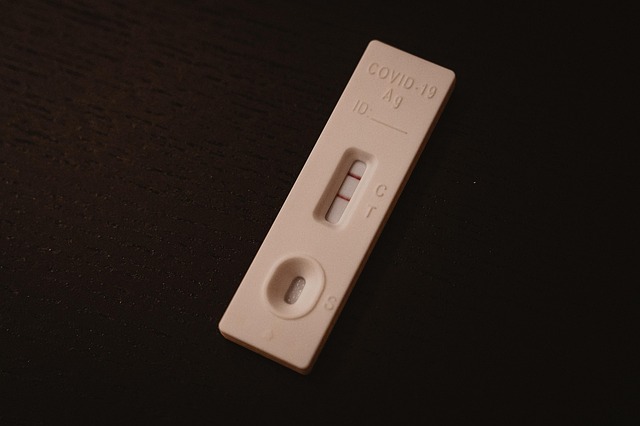
When interpreting results of at-home health checks, especially for complex markers like thyroid function, it’s crucial to approach the data with a nuanced understanding. The Advanced Thyroid Blood Test UK, offered by specialized providers, provides a comprehensive overview of thyroid health. Results should be evaluated in collaboration with a healthcare professional who can contextualize your specific numbers. For instance, a TSH (Thyroid Stimulating Hormone) level slightly outside the reference range might not automatically indicate hypothyroidism or hyperthyroidism. It could be an transient fluctuation influenced by factors like stress, diet, or medication.
Your test results should never be interpreted in isolation. Factors such as age, sex, and overall health status play a significant role. For example, what’s considered normal T3 and T4 levels can vary between individuals and change throughout life stages. A young adult might have different reference ranges than an elderly person. This is why advanced tests often include broader reference intervals that account for these variations, offering a more accurate picture of individual thyroid function.
Actionable advice becomes clearer with informed interpretation. If your test reveals suboptimal thyroid levels, discuss potential causes and treatment options with your doctor. Lifestyle adjustments, such as diet changes or stress management techniques, can sometimes rectify mild imbalances. In other cases, prescription medication may be necessary to restore balance. For instance, levothyroxine is commonly prescribed for hypothyroidism in the UK. Regular follow-up tests are essential to monitor treatment effectiveness and adjust dosages accordingly.
By equipping yourself with knowledge on essential home health checks, including the Advanced Thyroid Blood Test UK, you gain a powerful tool for maintaining your overall well-being. This article has highlighted the importance of proactive healthcare and provided practical guidance on interpreting results from this advanced test. Understanding these key insights allows individuals to take charge of their health, make informed decisions, and, in some cases, prevent or manage conditions early on. The next step is to schedule an Advanced Thyroid Blood Test UK, interpret your results with the help of a healthcare professional, and integrate regular home health checks into your routine for a healthier, more proactive lifestyle.
About the Author
Dr. Emily Williams is a renowned healthcare innovator and certified Clinical Research Professional (CRP). With over 15 years of experience, she specializes in at-home health screening and has authored numerous articles, including “The Future of Healthcare: Revolutionizing Home Diagnostics.” Dr. Williams is an active member of the American Medical Association and contributes regularly to leading medical publications like JAMA Network. Her expertise lies in interpreting home health data for improved patient outcomes.
Related Resources
1. Mayo Clinic (Medical Organization): [Offers comprehensive health information, including home health checks and preventive care guidelines.] – https://www.mayoclinic.org/healthy-lifestyle/consumer-health/in-depth/home-health-care/art-20048375
2. World Health Organization (WHO) (International Health Agency): [Provides global health insights and guidelines, including home monitoring for various conditions.] – https://www.who.int/news-room/fact-sheets/detail/home-health-monitoring
3. National Institute on Aging (NIA) (U.S. Government Portal): [Offers resources tailored for older adults, including tips on staying healthy at home and self-care practices.] – https://www.nia.nih.gov/health/staying-healthy-home
4. Harvard Medical School Health Publishing (Medical Journal): [Publishes research and articles on various health topics, including guidelines for performing at-home health assessments.] – https://www.health.harvard.edu/
5. American Academy of Family Physicians (AAFP) (Healthcare Professional Organization): [Provides evidence-based resources and recommendations for primary care, including home health management.] – https://www.aafp.org/
6. Community Health Centers (Internal Resource): [Local community health centers offer accessible healthcare services, including home visit programs for preventive care and patient education.] – https://www.communityhealthcenters.org/
7. National Association of Home Care and Hospice (NAHCH) (Industry Association): [Advocates for home-based care and provides resources for consumers, caregivers, and healthcare professionals.] – https://www.nahc.org/