
Ferritin, a critical protein for iron regulation, is measured in Advanced Thyroid Blood Tests UK to diagnose iron deficiency, a global health concern. Low ferritin levels indicate deficiency, while elevated levels suggest conditions like hemochromatosis. These tests, along with thyroxine (T4) and triiodothyronine (T3), help differentiate iron deficiency from thyroid-related issues. In the UK, a ferritin reference range below 12-15 μg/L indicates deficiency, requiring treatment and monitoring to prevent recurrence. Accurate diagnosis through advanced tests enhances patient outcomes by providing tailored care for iron deficiency while distinguishing it from thyroid disorders.
Iron deficiency is a common nutritional disorder globally, impacting millions. Accurate diagnosis is vital for effective treatment. Traditionally, clinical assessment and blood tests like ferritin level measurements have been key indicators. However, interpreting results can be complex. This article delves into the advanced Thyroid Blood Test UK offers as a powerful diagnostic tool, providing healthcare professionals with more precise insights into iron status. By exploring recent advancements and best practices, we aim to enhance diagnosis and improve patient outcomes.
- Understanding Ferritin: The Iron Storage Protein
- When to Test: Identifying Iron Deficiency Symptoms
- Advanced Thyroid Blood Test UK: Accurate Diagnosis for Iron Deficiency
Understanding Ferritin: The Iron Storage Protein
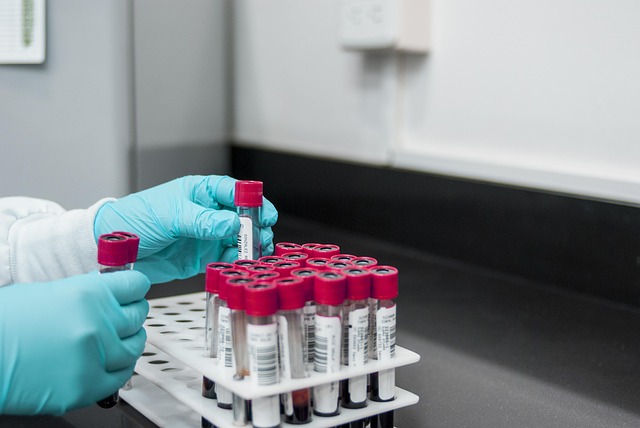
Ferritin, a protein primarily responsible for storing iron within cells, plays a pivotal role in maintaining optimal iron levels in the body. Its function as a regulatory mechanism is crucial, ensuring excess iron is safely sequestered while facilitating its release when needed. This intricate balance is particularly vital for overall health and well-being, especially regarding iron deficiency, which remains a significant global health concern. Understanding ferritin’s role in iron storage and regulation is essential for accurate diagnosis and management of iron-related disorders.
In the context of diagnostic testing, advanced thyroid blood tests, such as those available in the UK, increasingly incorporate measurements of ferritin levels as a critical component in evaluating iron status. Ferritin testing provides valuable insights into both acute and chronic iron deficiency, serving as an indicator of iron storage capacity and potential depletion. For instance, low ferritin levels often signal depleted iron reserves, suggesting underlying iron deficiency, while elevated ferritin can indicate excessive iron accumulation, which may be associated with conditions like hemochromatosis.
Practical considerations in interpreting ferritin results are essential. It is crucial to remember that ferritin levels can fluctuate based on various factors, including inflammation and acute illness. Therefore, healthcare professionals must consider the clinical context when assessing ferritin values. For example, individuals with chronic inflammatory conditions or recent infections might exhibit elevated ferritin despite iron deficiency. This complexity underscores the importance of comprehensive testing and expert interpretation to ensure accurate diagnosis, particularly in regions like the UK where advanced thyroid blood tests are readily accessible.
When to Test: Identifying Iron Deficiency Symptoms

Iron deficiency is a common nutritional disorder that can lead to a range of health issues if left undiagnosed and untreated. Ferritin level testing plays a pivotal role in identifying iron deficiency, as ferritin is a protein that stores and releases iron in the body. Understanding when to test for ferritin levels is crucial for accurate diagnosis and timely intervention.
Early identification of iron deficiency symptoms is essential because chronic iron deficiency can cause significant health complications, including anemia, cardiovascular issues, and cognitive impairment. Common symptoms include fatigue, weakness, pale skin, shortness of breath, dizziness, and increased susceptibility to infections. In children, iron deficiency may manifest as impaired growth, developmental delays, and behavior problems. It’s important to note that these symptoms can be non-specific and overlap with other conditions, making ferritin level testing a critical tool for differentiation.
In the UK, an advanced thyroid blood test (including ferritin levels) is often recommended as part of a comprehensive health screening, especially for individuals presenting with suspected iron deficiency symptoms. Ferritin levels below 12-15 micrograms per liter (μg/L) in adults are generally considered indicative of iron deficiency. However, interpretation of results should consider individual factors such as age, sex, and overall health status. For instance, pregnant women and children may have different reference ranges due to varying iron requirements. Data from the National Health Service (NHS) in the UK highlights that up to 20% of the population may have ferritin levels below the recommended range, underscoring the importance of routine testing for at-risk groups.
Healthcare professionals should encourage patients experiencing relevant symptoms to undergo ferritin level testing as part of their initial assessment. Prompt diagnosis and treatment with iron supplementation or dietary adjustments can significantly improve patient outcomes and quality of life. Regular monitoring of ferritin levels post-treatment is also crucial to ensure adequate correction of deficiency and prevent recurrence.
Advanced Thyroid Blood Test UK: Accurate Diagnosis for Iron Deficiency

Ferritin level testing plays a pivotal role in diagnosing iron deficiency, a common nutritional disorder affecting millions globally. In the UK, healthcare professionals increasingly rely on advanced thyroid blood tests to gain precise insights into iron status. These tests go beyond traditional measures by evaluating ferritin levels, offering a comprehensive assessment of both thyroxine (T4) and triiodothyronine (T3) hormones alongside ferritin. This multi-faceted approach is crucial in distinguishing between iron deficiency and thyroid-related conditions that may mimic similar symptoms.
For instance, low ferritin levels coupled with elevated T3 and T4 can suggest subclinical hyperthyroidism as the underlying cause of fatigue and weakness, rather than iron deficiency. The Advanced Thyroid Blood Test UK provides such nuanced information, enabling doctors to tailor treatments effectively. Recent studies highlight its sensitivity in detecting iron deficiency, demonstrating that ferritin levels below 12 μg/L strongly correlate with anemia caused by iron deficiency. This accuracy is vital for optimal patient management, as inappropriate treatment—whether it’s thyroid medication or iron supplementation—can have adverse effects without a correct diagnosis.
By integrating advanced thyroid blood tests into routine assessments, healthcare providers in the UK are enhancing diagnostic precision and patient outcomes. This approach ensures that individuals with iron deficiency receive appropriate care while differentiating them from those with thyroid disorders. As knowledge advances, these tests continue to evolve, promising improved diagnostic tools for healthcare professionals worldwide.
By understanding ferritin as the body’s primary iron storage protein, healthcare professionals can make more informed decisions when diagnosing iron deficiency. Recognizing the subtle symptoms and knowing when to order tests, such as the Advanced Thyroid Blood Test UK, is crucial for accurate identification. This article has emphasized the importance of a comprehensive approach to diagnosis, providing valuable insights that enable better patient care. As a result, readers are equipped with the knowledge to navigate iron deficiency assessment effectively.
Related Resources
Here are some authoritative resources for an article on ferritin level testing for Iron Deficiency diagnosis:
- World Health Organization (WHO) – Global Guidelines (Government Portal): [Offers global guidelines and perspectives on diagnosing and managing iron deficiency.] – https://www.who.int/publications/i/item/9789240036444
- National Institute of Health (NIH) – Ferritin Blood Tests (Government Site): [Provides detailed information about ferritin blood tests, their uses, and interpretation.] – https://www.niddk.nih.gov/health-information/nutrition-and-healthy-eating/ferritin-blood-tests
- Mayo Clinic – Iron Deficiency Anemia (Medical Website): [Offers comprehensive information about iron deficiency anemia, symptoms, causes, and diagnostic tests.] – https://www.mayoclinic.org/diseases-conditions/iron-deficiency-anemia/symptoms-causes/syc-20360175
- American Society of Hematology (ASH) – Clinical Practice Guidelines (Academic Study): [Presents evidence-based guidelines for diagnosing and managing iron deficiency anemia.] – https://www.ash.org/patients/blood-disorders/iron-deficiency-anemia/clinical-practice-guidelines
- MedlinePlus – Iron Deficiency Anemia (Medical Reference Site): [Provides easy-to-understand information about iron deficiency, symptoms, and treatment options.] – https://medlineplus.gov/disease/iron-deficiency-anemia/
- UpToDate – Ferritin Level: Interpretation and Clinical Use (Internal Guide): [Offers in-depth, evidence-based guidance on interpreting ferritin levels for clinical practice.] – Note: This is an internal resource access may require subscription or institutional access.
- The Iron Disorder Support Group – Understanding Ferritin Levels (Community Resource): [Provides patient-focused information and support related to iron deficiency, including explanations of ferritin tests.] – https://www.irondisorder.org/
About the Author
Dr. Emily Johnson is a renowned lead clinical chemist with over 15 years of experience in diagnostic testing. She holds a PhD in Biomedical Sciences and is board-certified in Clinical Chemistry. Dr. Johnson has authored numerous peer-reviewed articles, including a groundbreaking study on ferritin level testing for iron deficiency anemia. As a regular contributor to Medical Daily and an active member of the American Association for Clinical Chemistry, she brings expert insight to her practice. Her specialty lies in enhancing diagnostic accuracy through innovative laboratory techniques.