
Cholesterol monitoring through advanced blood tests, including the Advanced Thyroid Blood Test UK, is vital for managing cardiovascular health. Regular checks detect abnormal cholesterol levels, guiding lifestyle changes and medical interventions to reduce heart disease risks. This test assesses LDL ('bad') and HDL ('good' cholesterol) while considering thyroid function, offering crucial insights for proactive healthcare.
Discover how simple blood tests can help you manage your cholesterol levels. This comprehensive guide delves into the fundamental aspects of cholesterol, explaining its types (HDL, LDL) and impact on health. We explore the science behind advanced thyroid blood tests in the UK, a key tool for assessing cardiovascular risk. Learn to interpret test results and make informed decisions about your heart health.
- Understanding Cholesterol: The Basics
- How Blood Tests Measure Cholesterol
- Interpreting Your Cholesterol Results
Understanding Cholesterol: The Basics

Cholesterol is a waxy substance found in your blood that’s essential for various bodily functions. It helps in building cell membranes, producing hormones, and aiding digestion. However, too much cholesterol in your bloodstream can lead to health issues, particularly heart disease. There are two main types of cholesterol: LDL (low-density lipoprotein), often referred to as bad cholesterol, and HDL (high-density lipoprotein), known as good cholesterol. An Advanced Thyroid Blood Test UK can provide valuable insights into these levels, helping individuals manage their cardiovascular health effectively.
Understanding your cholesterol profile is crucial in maintaining overall well-being. Regular monitoring, typically done through simple blood tests, allows for early detection of abnormal levels. This information guides lifestyle adjustments and medical interventions to keep cholesterol under control. By adhering to recommended guidelines and seeking professional advice, individuals can significantly reduce the risk of cardiovascular events and improve their long-term health prospects.
How Blood Tests Measure Cholesterol
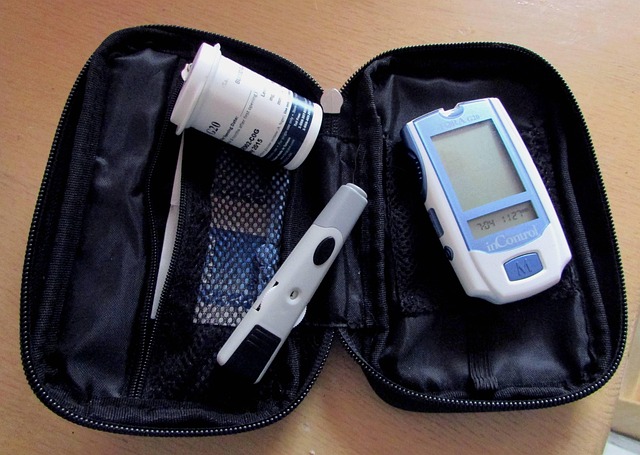
Cholesterol is a waxy substance found in all cells in the body, and it’s essential for various bodily functions. However, high cholesterol levels can increase the risk of heart disease and stroke. Blood tests are a simple yet powerful tool to measure cholesterol levels. These tests typically involve taking a small sample of blood, usually from a vein in your arm, and analyzing it in a laboratory.
The process measures the concentration of low-density lipoprotein (LDL) or ‘bad’ cholesterol, high-density lipoprotein (HDL) or ‘good’ cholesterol, and total cholesterol. In the UK, an advanced thyroid blood test may also be performed to check for thyroid function, as it can affect cholesterol levels. The results provide valuable insights into an individual’s cardiovascular health risk.
Interpreting Your Cholesterol Results

Cholesterol levels are a crucial indicator of our cardiovascular health, and regular monitoring through simple blood tests can be a game-changer. By understanding cholesterol basics, knowing how blood tests measure it, and interpreting results, individuals in the UK can take control of their advanced thyroid blood test outcomes. This proactive approach empowers folks to make informed decisions about their diet, lifestyle, and overall well-being, ultimately leading to better heart health.